Field reports
Here are some stories from the field. Personal accounts from locations where we work and the people we meet. From trips in the Amazon rainforest and cacao farms in Bahia to the caves of PETAR in Brazil. Documenting the field trips, the people and the landscapes behind the work of Impulse 4 Development.
Amazon Rainforest, Brazil
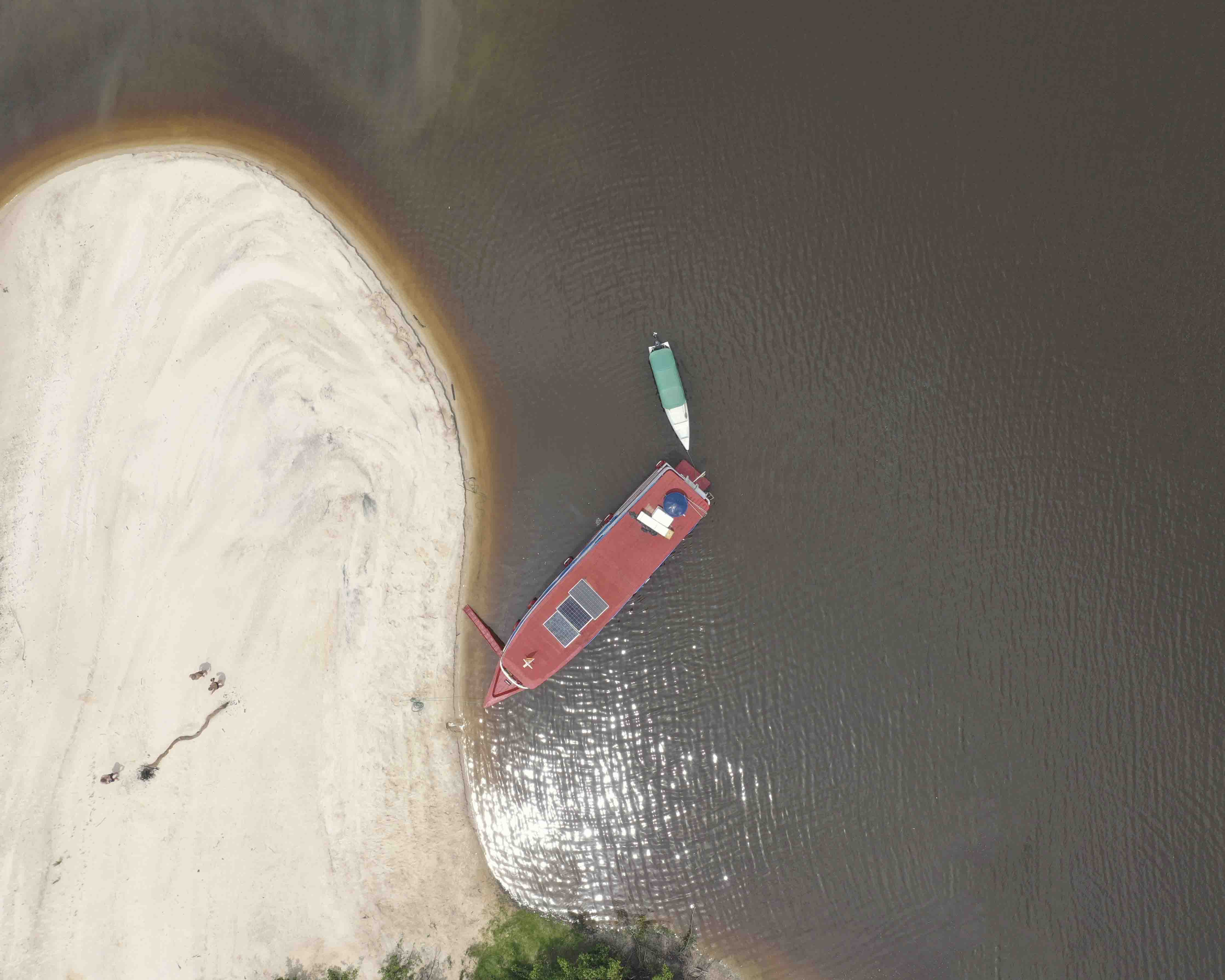
In 2019, I documented a the partnership between Impulse 4 Development and a local NGO working in the Amazon rainforest.The work focused on visually documenting collaboration on the ground — the people involved, the environmental context, and the realities of working in one of the world’s most sensitive ecosystems. Photography and video were used to support transparency, communication, and long-term understanding of the project’s environmental and social dimensions.
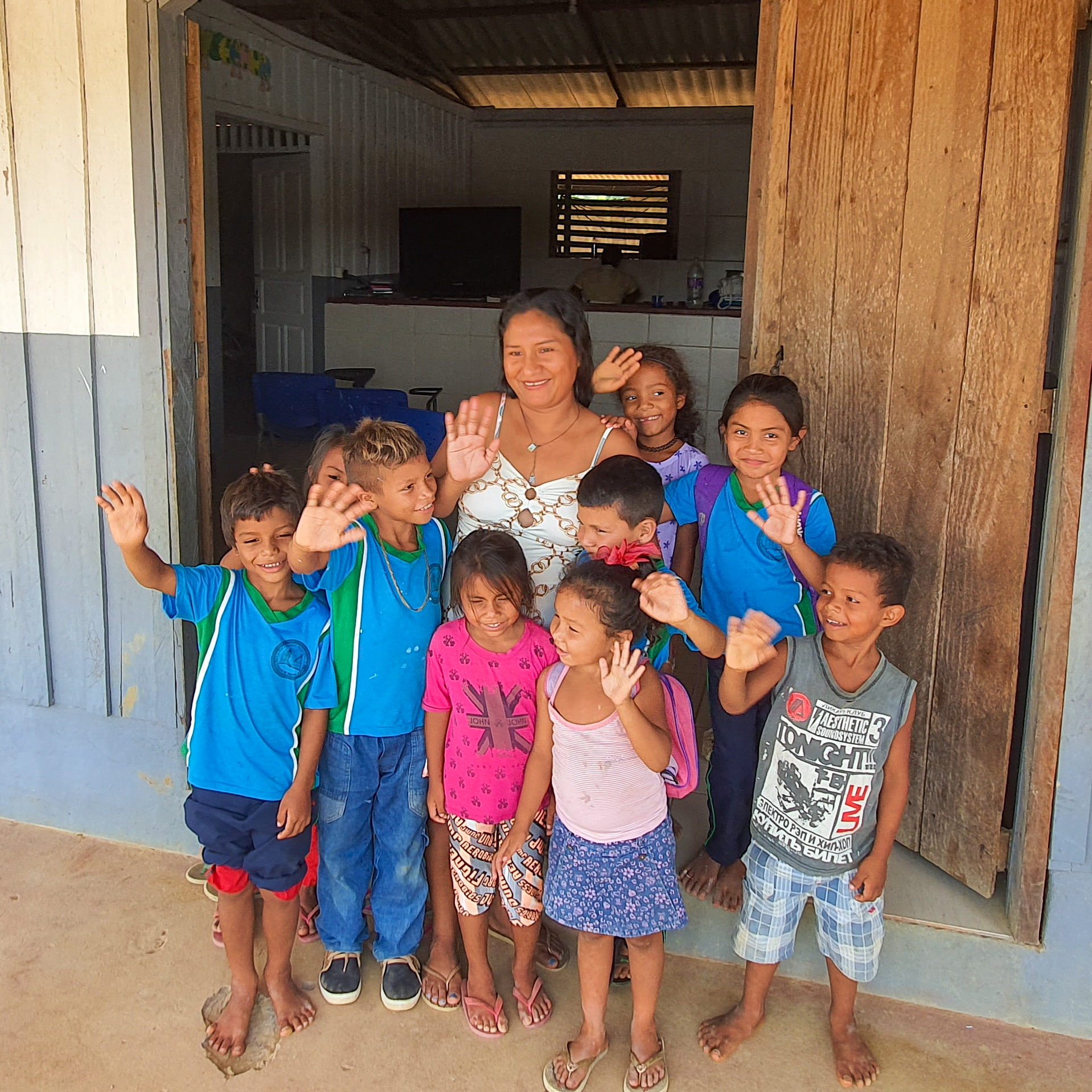
It was a multi-day field experience in the Amazon region of Brazil, including Manaus, Novo Airão, and Anavilhanas National Park.The journey focused on indigenous partnerships, conservation initiatives, and community-based tourism — including visits to urban indigenous communities, forest trekking with indigenous guides, local production initiatives and river-based exploration through one of the world’s largest freshwater archipelagos.Visual documentation included daily life within communities, biodiversity landscapes, river ecosystems, small-scale sustainable enterprises, and wildlife such as the Amazon’s pink river dolphins. The work combined environmental storytelling and how local communities intersect within the Amazon biome.


Cocoa Farms in Bahia
Located in northeastern Brazil, the state of Bahia is known for its cultural history, Atlantic coastline, and remnants of the Atlantic Forest biome — one of the world’s most biodiverse and threatened ecosystems. In southern Bahia, cocoa cultivation has long been integrated into the forest landscape through traditional agroforestry systems known as cabruca, where cacao trees grow beneath a native forest canopy.
During my visit to organic cocoa farms in the region, I documented the full production process — from cultivation and harvesting to fermentation and drying. The work focused on capturing both the agricultural practices and the surrounding forest ecosystem, highlighting how cocoa production can coexist with biodiversity when managed responsibly.
The first farm that we visited was Fazenda Provisão, a 200-year-old working farm where organic cocoa is cultivated within the Atlantic Forest landscape. There, I documented not only the production process but also the historical and cultural context of cocoa farming in the region — offering insight into how land use, heritage, and sustainable agriculture intersect.
We also visited an organic cacao farm where our local guide Osvaldo was practicing permaculture. He was a very inspiring person to listen to with alot of knowledge about farming, nature and the cacao. The resulting photography and video explore the relationship between agroforestry, ecosystem preservation, and small-scale production — approached with attention to detail, context, and long-term environmental perspective.


PETAR - Alto Ribeira State & Tourist Park.
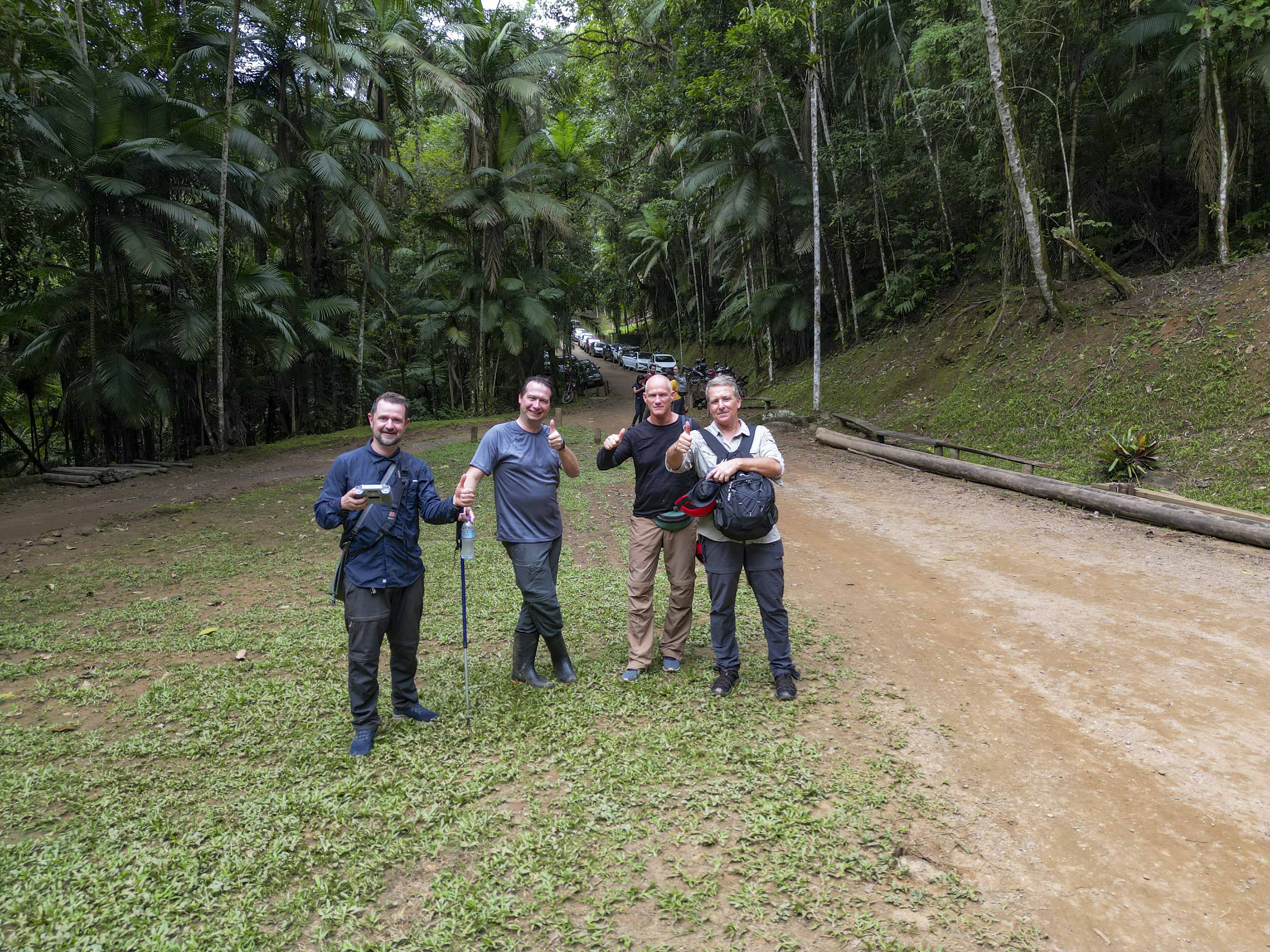
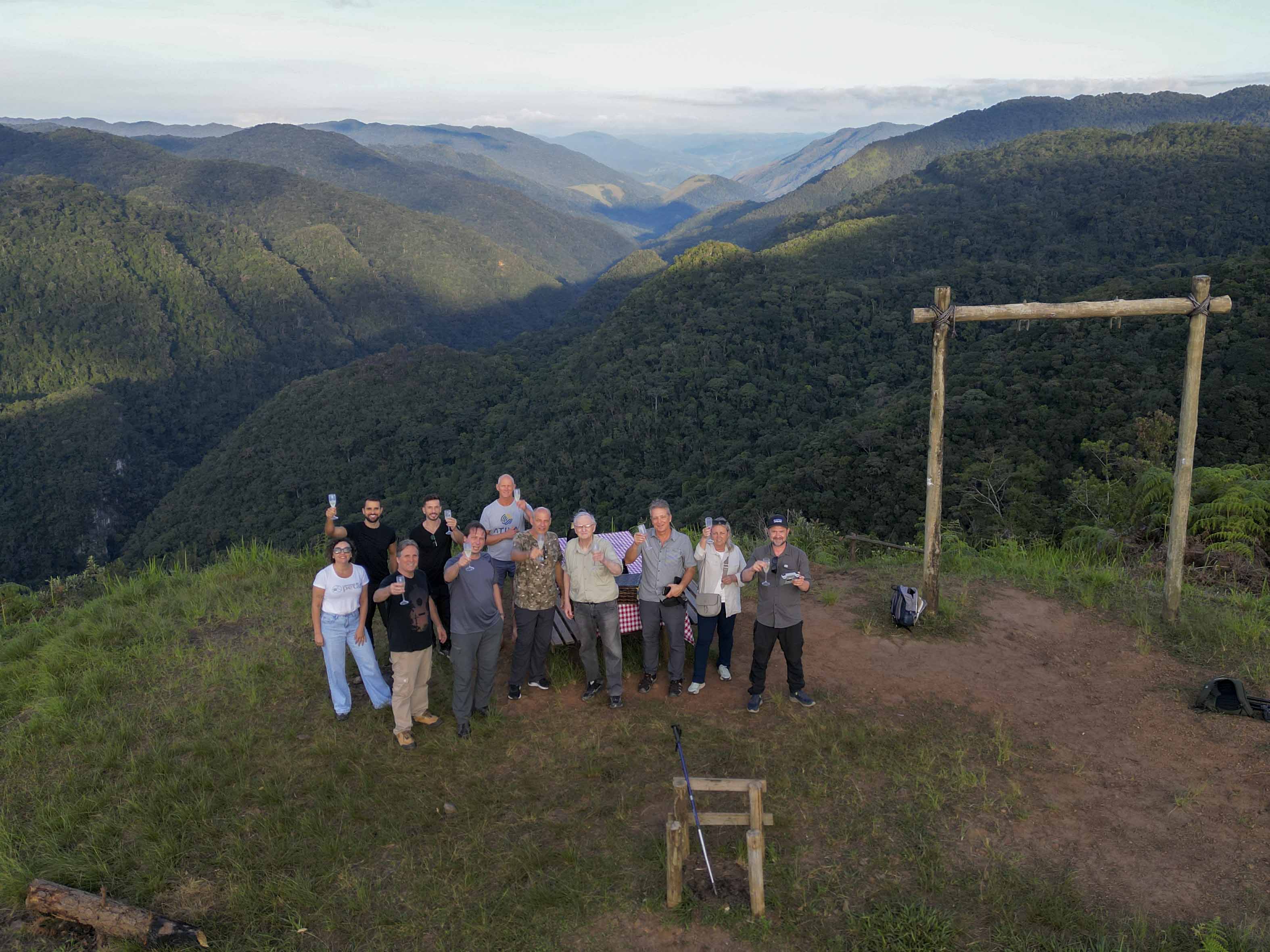
In 2023, I travelled with my collegues from Impulse 4 Developmentin to get to know the region. I was documenting landscapes, cave environments, and the biodiversity. A central part of the experience was time spent with Professor Cassius V. Stevani, Associate Professor at the Chemistry Institute of the University of São Paulo. Professor Stevani has conducted long-term research in the rainforest on bioluminescent fungi — work that has previously been featured by National Geographic. His research offers a compelling example of how scientific inquiry and rainforest ecosystems intersect in meaningful and globally relevant ways.
https://www.nationalgeographic.com/travel/article/brazil-rain-forest-most-glowing-mushrooms